Pivotal Moments in the Seerah: Hijrah, Badr, Uhud and the Conquest of Makkah
In short
Four turning points shaped the Seerah of the Prophet Muhammad ﷺ: the Hijrah to Madinah in 622 CE, which founded the first Islamic state; the Battle of Badr, where 313 believers defeated an army of over 1,000; the Battle of Uhud, where disobeyed orders turned victory into loss; and the Conquest of Makkah, reclaimed peacefully with 10,000 companions.
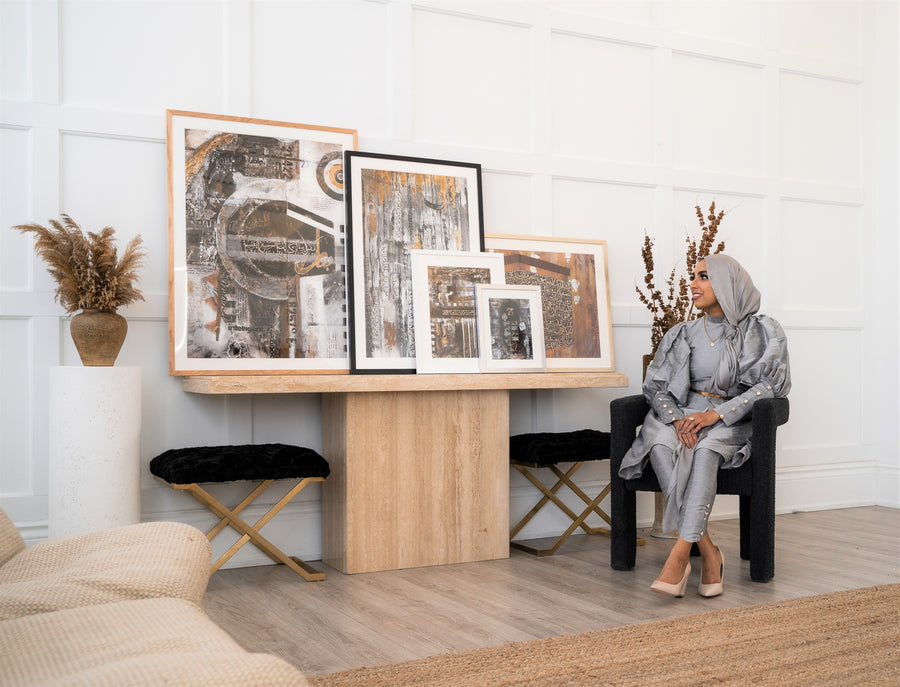
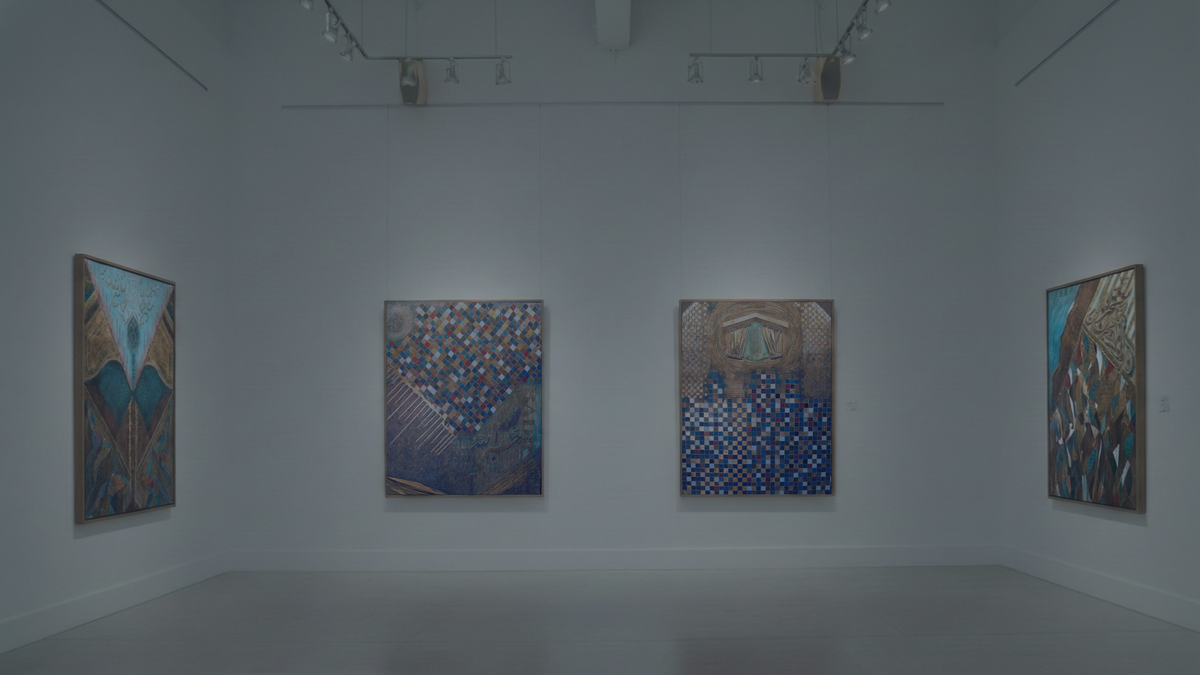
After my Umrah, walking through the places where the Seerah happened changed how I read it. I came home and spent the next eight months studying the life of the Prophet Muhammad ﷺ and painting four of its turning points: the Hijrah, the Battle of Badr, the Battle of Uhud and the Conquest of Makkah.
Each painting began with lectures, maps and pages of notes before any paint touched the panel. Below, I explain what happened at each event, the lesson it carries, and what every part of the painting represents, so you can read the artwork like a map of the story.
The four pivotal moments at a glance
- The Hijrah (622 CE): the Prophet ﷺ and Abu Bakr RA leave Makkah under threat of assassination and migrate to Madinah. It marked the birth of the first Islamic state.
- The Battle of Badr (17th of Ramadan, 2 AH): 313 companions face an army of over 1,000, and Allah sends angels to help them. A miraculous victory that turned the tide in early Islam.
- The Battle of Uhud (3 AH): a year after Badr, the archers leave their post for the spoils of war and a near victory turns into a painful setback.
- The Conquest of Makkah (8 AH): the Prophet ﷺ returns with 10,000 companions and the city is reclaimed peacefully, with mercy instead of revenge. The pinnacle of the Seerah.
1. The Hijrah: the journey from Makkah to Madinah

What happened at the Hijrah?
The Quraysh had watched the companions migrate and knew the Prophet ﷺ would soon leave, so they plotted to assassinate him. That night Jibreel AS told him to leave immediately. The Prophet ﷺ asked Ali RA to lie in his bed as a decoy and slipped out quietly with Abu Bakr RA.
Instead of heading north to Madinah, they travelled south to the Cave of Thawr, a tiny crevice at the top of a steep mountain, and stayed hidden for three days to confuse every pursuer. Abu Bakr's son Abdullah brought food and news of the Quraysh, while the shepherd Amir ibn Fuhayrah erased Abdullah's footprints each morning with his flock.
When the Quraysh reached the mouth of the cave, Abu Bakr RA whispered, "If they look to their feet, they will see us." The Prophet ﷺ replied, "What do you think of two men whose third is Allah? Do not worry, Allah is certainly with us." Allah sent sakinah (tranquility) upon them and protected them. After three days they followed an expert guide along the 470 km route to Madinah, where they were welcomed and protected.
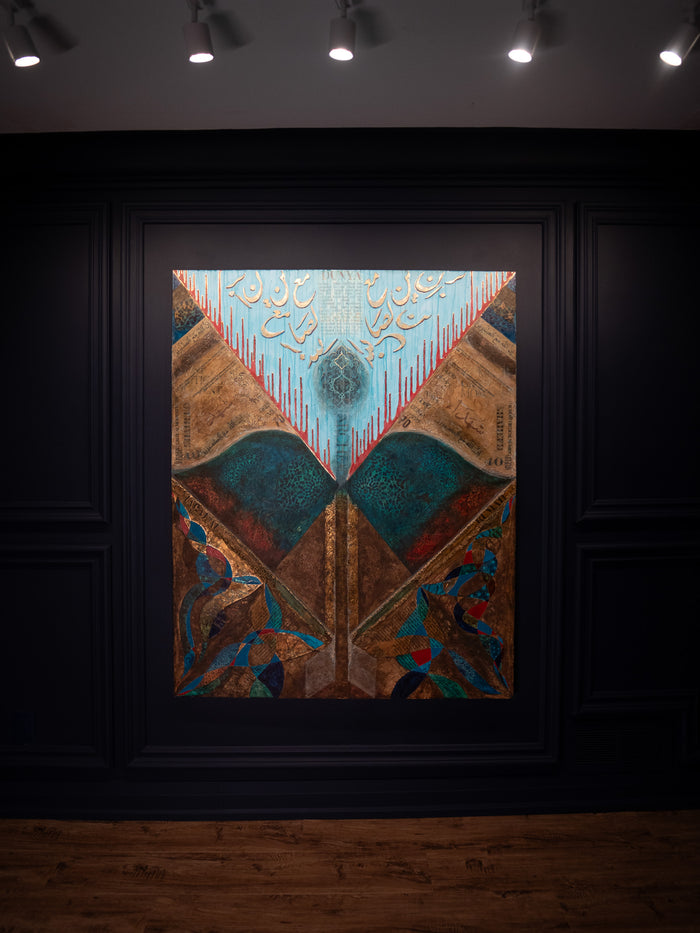
What each part of the Hijrah painting shows
- The turquoise sea and desert: the Red Sea coast and desert along the 470 km Hijrah route.
- The patterned mountain: Jabal Thawr in Makkah, where the cave sheltered them for three days.
- The intricate patterns: hidden routes, erased tracks and the extraordinary planning behind the Hijrah.
- The calligraphy: "La tahzan innallaha ma'ana", Do not be sad, indeed Allah is with us, and the miracle of the unseen forces Allah sent to protect them.
The lesson: trust in Allah (tawakkul) is not blind reliance. It is careful preparation, followed by handing the outcome to Allah with full certainty.
2. The Battle of Badr: the miraculous victory

What happened at the Battle of Badr?
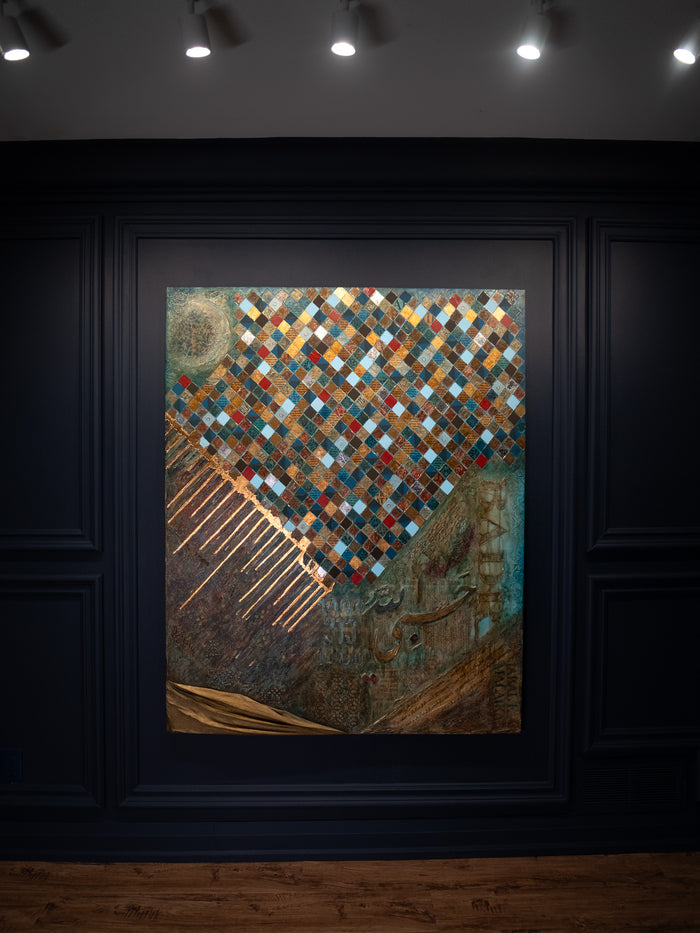
On the 17th of Ramadan, the Prophet Muhammad ﷺ stood with just 313 companions against an army of over 1,000. None of them had set out expecting a battle. The Prophet ﷺ formed the believers into straight, solid rows, a new formation that united men from different tribes into one force.
Before the battle he made abundant dua, raising his hands to the sky with such intensity that his upper garment slipped from his shoulders. Abu Bakr RA wrapped it back around him and said, "Allah will give you as promised." Then revelation descended: "Remember when you cried out to your Lord for help, He answered, 'I will reinforce you with a thousand angels, followed by many others.'" (Al-Anfal 8:9). The Prophet ﷺ turned to Abu Bakr with his face shining like the moon.
Before the fighting began, the Prophet ﷺ threw a handful of sand towards the enemy and it struck the eyes of every soldier, causing confusion and fear. The Muslims won. Yet as Madinah celebrated, the Prophet's beloved daughter Ruqayyah RA was being buried, a reminder that joy and sorrow coexist in this world.
What each part of the Badr painting shows
- The glowing circle: the Prophet's ﷺ face "shining like the moon" when the promise of angels was revealed.
- The diamond mosaic: an army of diverse tribes standing in straight, solid rows, with key details of this historic day.
- The miracle of the sand: the handful of sand thrown into the enemies' eyes.
- The garment: the Prophet's ﷺ upper garment slipping during his intense dua.
- Celebration and grief: the victory in Madinah and the personal loss of Ruqayyah RA on the same day.
- The sand hill: the "Mountain of Angels", the sand hill at Badr.
- The calligraphy: "Hasbi Allah", Allah is enough for me, with Al-Anfal 8:9 in traditional script.
The lesson: miracles unfold in ways beyond human understanding when sincere effort is made, and true happiness is only found in Jannah.
3. The Battle of Uhud: a lesson in obedience and patience

What happened at the Battle of Uhud?
A year after Badr, the Quraysh returned with 3,000 men seeking revenge. The Muslims marched out with 1,000, but 300 hypocrites turned back before reaching the battlefield. The Prophet ﷺ placed the army with the Mountain of Uhud behind them and stationed 50 archers on a hill, warning them not to leave their post under any circumstance.
The Muslims won the first part of the battle and the Quraysh began to flee. But the archers were tempted by the spoils of war, and 40 of them left their stations. Khalid ibn al-Walid, not yet Muslim, circled back with a surprise attack and the Muslims were thrown into chaos. In the ambush the Prophet ﷺ was struck: an arrow lodged in his cheek and blood dripped from his blessed face. He retreated into a crevice while two companions, Talha RA and Sa'd RA, shielded him. It was one of the most critical moments in the Seerah.
Seventy companions were martyred and buried with their blood, without ghusl, as a sign of their sacrifice. In the grief that followed, Allah revealed verses guiding the Muslims away from emotional revenge: retaliation was permitted, but patience was praised. Uhud also shows that guidance is in Allah's hands alone. Khalid, the man behind the setback, later embraced Islam and became known as the Sword of Allah.
What each part of the Uhud painting shows
- The bow and arrow: the archers' bow and arrow forms the main shape of the painting. A reminder of what happens when we choose the temptations of this world over the akhirah.
- The red streaks: blood dripping from the Prophet's ﷺ blessed face.
- The arrow point at the centre: the arrow lodged in the Prophet's ﷺ blessed cheek.
- The crevice: where two companions, Talha RA and Sa'd RA, shielded the Prophet ﷺ.
- The blue sky: the 70 martyrs ascending to Jannah, buried with their blood (no ghusl) as a sign of sacrifice.
- The lower left: the chaos by Mount Uhud after the surprise attack.
- The lower right: the valuable spoils of war, imported weapons and armour, that tempted the archers.
- The calligraphy: "Indeed Allah is with the patient" and "Shuhadah" (martyrs).
The lesson: in moments of trial, true iman is proven. Uhud exposed the dangers of greed, disunity and disobedience.
4. The Conquest of Makkah: the pinnacle of the Seerah

What happened at the Conquest of Makkah?
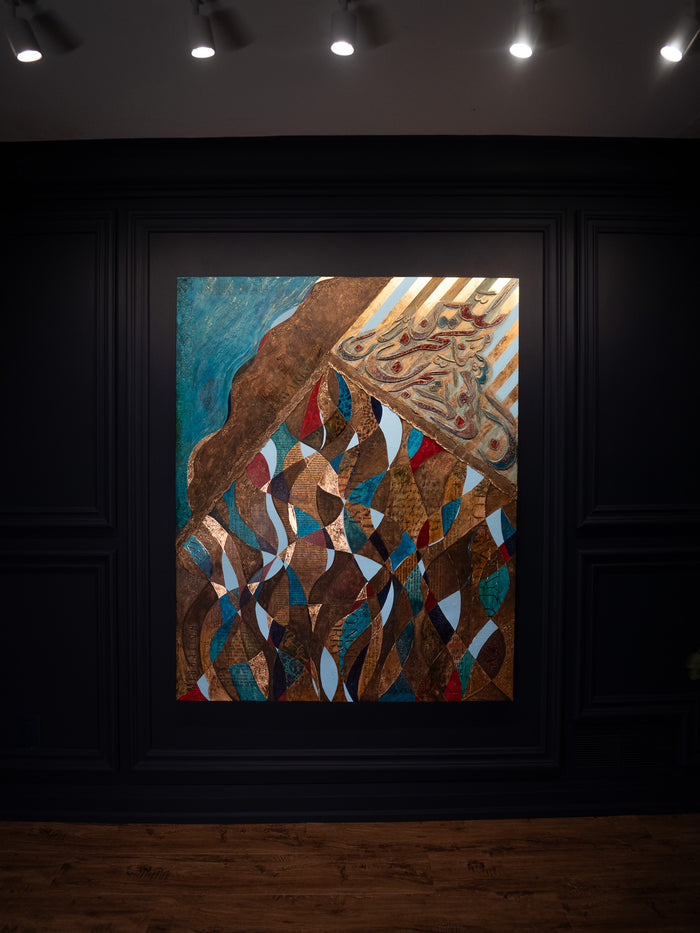
In the 8th year after the Hijrah, the Quraysh violated the Treaty of Hudaybiyyah, and the Prophet ﷺ marched towards his beloved city with an army of 10,000 companions. Eight years earlier he had fled Makkah under threat of assassination. Now the leader of the Quraysh watched in shock as tribe after tribe advanced with their banners, their campfires lighting up the plains outside the city.
The Quraysh expected revenge but were met with mercy. Abu Sufyan accepted Islam and the Prophet ﷺ declared safety for all who sought protection. Never had a city been reclaimed so peacefully. He entered with his head lowered in humility, performed tawaf on his camel, and pointed his staff at each idol around the Kaaba until it fell, reciting, "The truth has come, and falsehood has vanished."
Standing at the doorway of the Kaaba, he gave a short sermon and granted a general amnesty: "Go, for you are free." People then lined up at Mount Safa to embrace Islam. After 21 years of struggle, he returned not as a conqueror seeking power but as a Messenger of mercy.
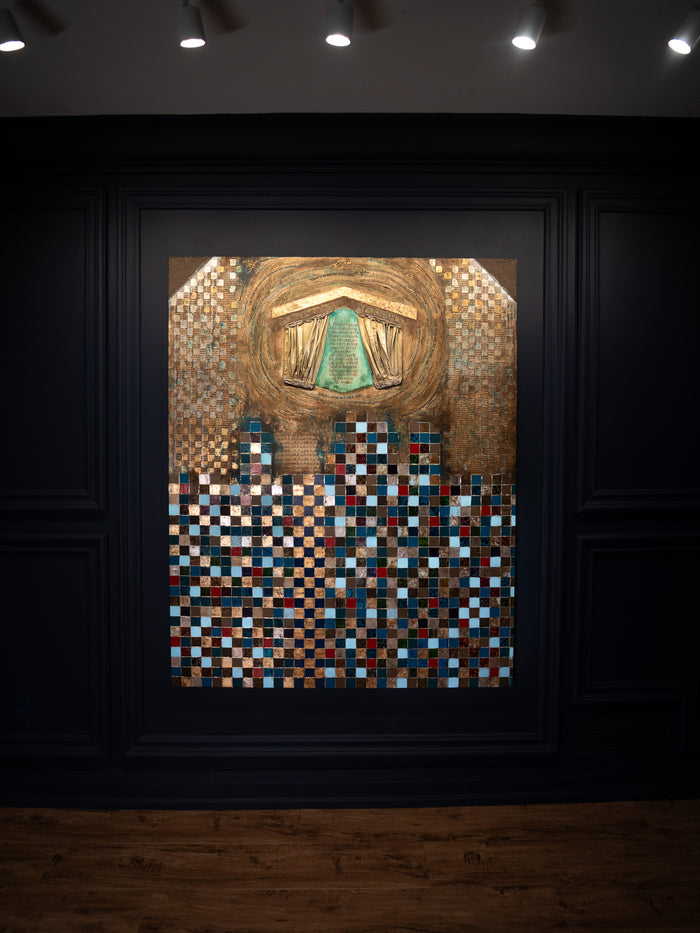
What each part of the Conquest of Makkah painting shows
- The Kaaba door: the Prophet ﷺ cleansing the Holy Kaaba, and standing at its doorway to give his sermon.
- The circle around the Kaaba: the tawaf, as 360 idols were destroyed to the words "The truth has come, and falsehood has vanished."
- The green panel: the verse from the sermon: "O humanity! Indeed, We created you from a male and a female, and made you into peoples and tribes so that you may get to know one another. Surely the most noble of you in the sight of Allah is the most righteous among you." (Al-Hujurat 49:13)
- The people lining up: the people of Makkah lining up at Mount Safa to embrace Islam.
- The mosaic: the 10,000 companions, diverse tribes with their banners and campfires, led by the convoy of the Prophet ﷺ.
The lesson: Allah's promise is true and arrives at the precise moment He decrees, and mercy is stronger than revenge.
What these four moments teach us
- Hijrah: prepare carefully, then trust Allah completely.
- Badr: sincere effort and dua bring Allah's help, even against impossible odds.
- Uhud: obedience matters, and patience is praised in grief.
- Conquest of Makkah: Allah's promise always comes true, and the Prophet ﷺ answered victory with mercy.
Learn more about the life of the Prophet ﷺ
The research behind this collection comes from Shaykh Dr. Yasir Qadhi, whose teaching made these stories come alive for me. His book The Sirah of the Prophet ﷺ: A Contemporary and Original Analysis and his Seerah of Prophet Muhammad ﷺ lecture series on YouTube walk through the Prophet's life in beautiful detail, including maps of the battles and the lessons behind every event. If these stories moved you, I'd encourage you to start there. Watch the Seerah series on YouTube.
See the paintings
All four originals were sold at the 2025 annual online auction and are now with private collectors in Jeddah, Riyadh and Toronto. Prints are releasing soon. See the full Seerah collection and get notified when the prints are released.
Read the full story behind each painting: The Hijrah, Battle of Badr, Battle of Uhud and Conquest of Makkah.
Questions answered
Why did the Prophet ﷺ hide in the Cave of Thawr?
The Quraysh plotted to assassinate him, so he and Abu Bakr RA hid in the cave south of Makkah for three days to confuse their pursuers before setting out for Madinah.
How many Muslims fought at the Battle of Badr?
313 companions against an army of over 1,000. Allah reinforced them with angels, as revealed in Surah Al-Anfal 8:9.
Why did the Muslims suffer a setback at Uhud?
40 of the 50 archers left their post for the spoils of war, against the Prophet's ﷺ order, which allowed Khalid ibn al-Walid to attack from behind.
What did the Prophet ﷺ say at the Conquest of Makkah?
Instead of revenge he granted a general amnesty: "Go, for you are free." While clearing the idols he recited, "The truth has come, and falsehood has vanished."
Where can I learn more about the Seerah?
Shaykh Dr. Yasir Qadhi's book The Sirah of the Prophet ﷺ: A Contemporary and Original Analysis, and his Seerah of Prophet Muhammad lecture series on YouTube.

Salam, I'm Saleha
I'm a Muslim artist in Toronto. I study the Qur'an and Seerah and turn what I learn into mixed media paintings, so the stories can live on your walls.
Bring the reminder home
The art in this article
Keep reading

Inspiring Muslim Creatives to Dream Big
By the mercy of Allah, my artwork was chosen and prints of my paintings were framed and installed in all luxury suites. As of this month, the dining hall &...

Benefits of Fasting in Ramadan
The month of Ramadan was sent as a gift for mankind. A month of transformation, to cleanse our souls and bodies. Everything that has been prescribed to us has...

Surah Yaseen the Heart of the Quran
Reminders are for the heart and must be repeated. Surah Ya-sin is the heart of the Qur’aan. It is a reminder from Allah of the reward for those who accept...